


I love a good manicure as much as anyone. There’s just something about freshly done nails that makes you feel instantly pulled together — even on days when everything else feels a little off. Getting your nails done before a vacation or special occasion always feels like a little treat… almost like a fresh start.
But as we get older, our nails don’t always love that routine the way they used to. They don’t bounce back as quickly, they don’t feel as strong, and after years of regular salon visits, the wear and tear can start to show in ways we didn’t expect.
If you’ve worn acrylics, gels, or dip powder for years and then finally take them off, the shock can be very real.
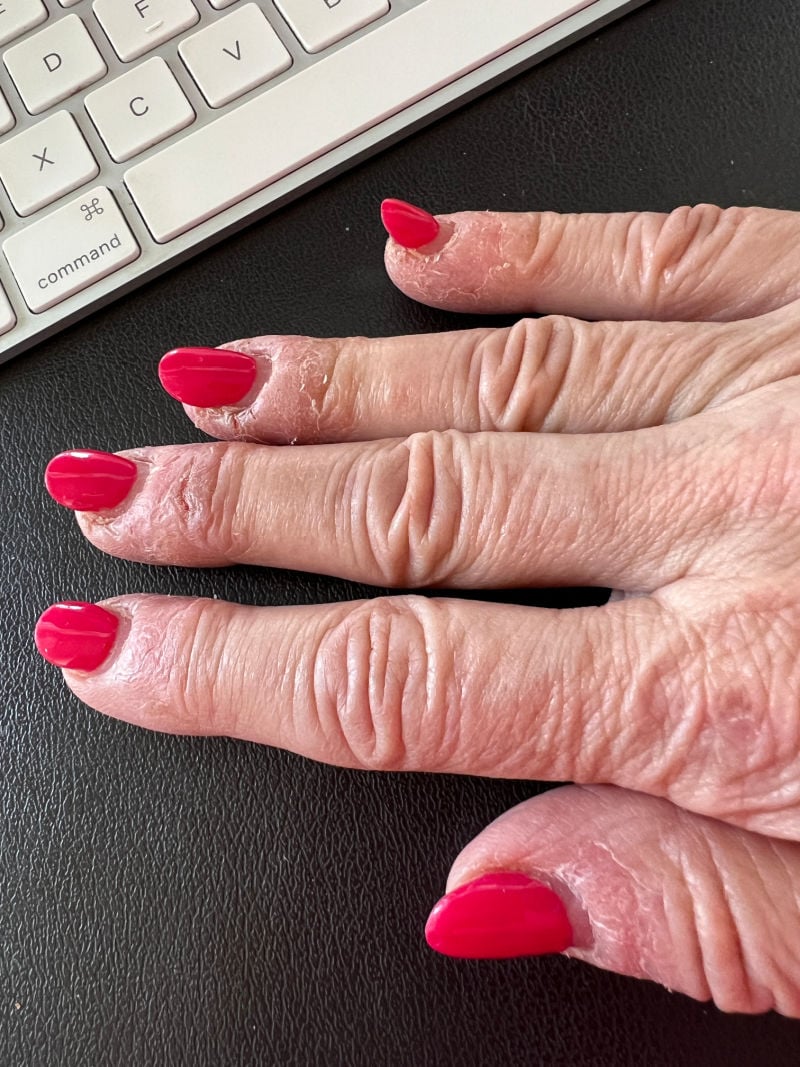
Just before I removed my gel nails, my real nails underneath had become paper-thin, weak, and were turning up- look at my pinky finger!
A few years ago, I had no choice but to remove my gel nails after I developed an allergy. My cuticles became swollen and cracked, and the skin around them peeled. Underneath my real nails were a mess – splitting and fraying, even turning upward, as you can see in this photo if you look at my thumb and baby finger.
When I finally soaked my gel nails off for good, my real nails felt like tissue paper. I had to give them nearly a full year to rest and recover.
They eventually did get better, but they’re still on the thin side. That whole experience really opened my eyes. I realized my nails weren’t just reacting to the gels — a lot of everyday factors were quietly working against them too.
Which brings me to something I think many of us don’t realize…
Why Nails Get Weak and Thin Over Time
Over time, gel, acrylic, and fake nails can really take a toll on your natural nails—especially when they’re soaked off or peeled at every fill. But aging plays a role, too. As we get older, nail growth naturally slows and moisture levels drop, making nails more likely to split and peel.
And there are a few other common culprits that don’t help either:
-
Dehydration: Mature skin and nails lose moisture more quickly, which is why they can feel dry and brittle.
-
Hormonal shifts: Lower estrogen can mean less keratin production, and that directly affects nail strength.
-
Nutrition: Our bodies don’t always absorb iron and protein as efficiently as they used to — and our nails tend to show it first.
How to Strengthen Weak, Thin Nails
1. Give Your Nails a Break From Enhancements
This is the hardest step, but it’s also the most important. If your nails are already weak, continuing to layer gels or acrylics on top keeps them from rebuilding. Even taking a three-month break can make a noticeable difference.
Think of it as physical therapy for your nails. Clean, strong natural nails are also a great look on their own. They feel fresh, modern, and healthy, which honestly matters more than perfectly polished tips.
If going completely bare feels too uncomfortable, keep your nails short and use a strengthening base coat instead of enhancements.
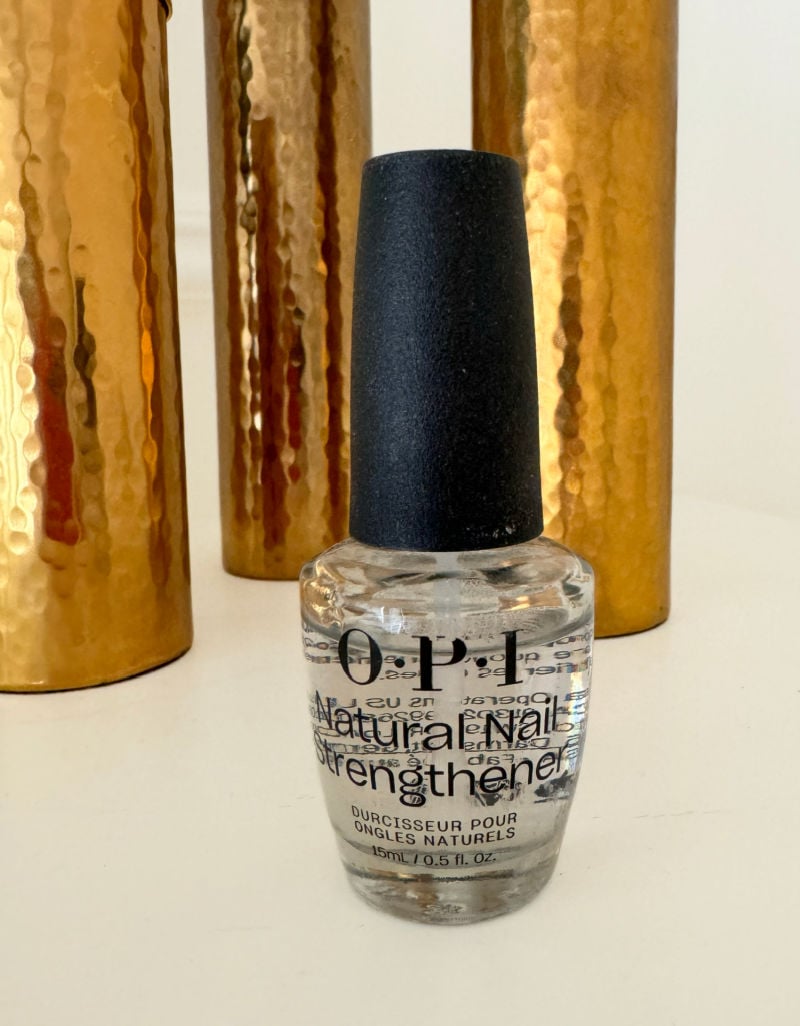
I used this OPI vegan strengthening basecoat at certain points during my nail recovery and found it very good. It improves the appearance of ridges and prevents discoloration. You can use it as a base coat or as a treatment.
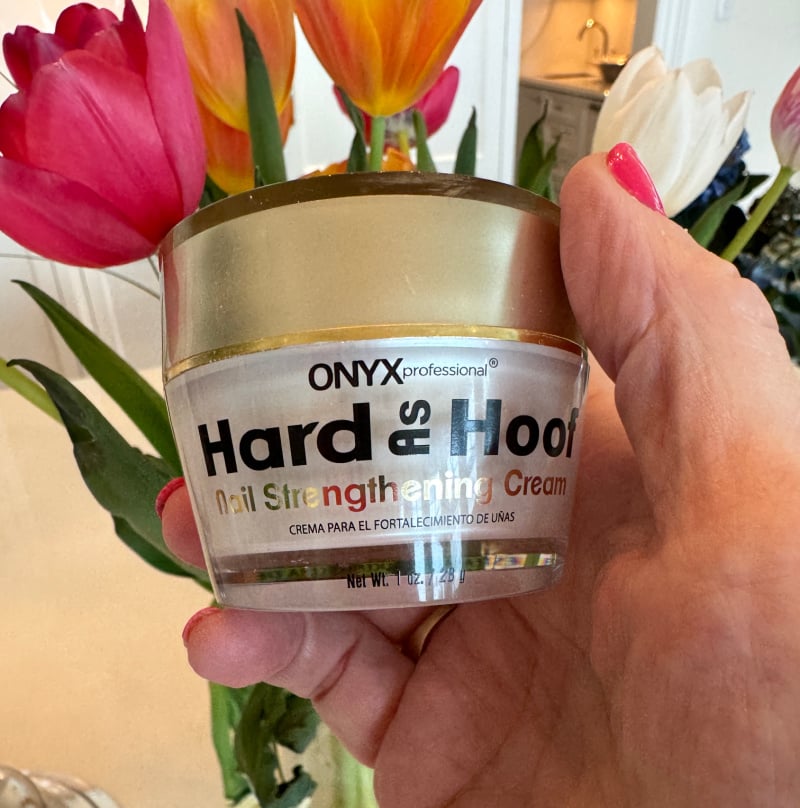
Hard as Hoof Conditioner/Nail Strengthener
2. Moisture Is Non-Negotiable
Weak nails are almost always dry nails. Cuticle oil (my favorite one) is not optional here. Daily use makes a real difference in flexibility and strength.
This is an easy self-care habit to add to your routine. Keep a small bottle of cuticle oil on your nightstand and make it the last thing you do before turning out the light. It takes less than a minute and pays off more than most nail treatments.
If you prefer a cream to an oil, Hard as Hoof (love the name, it’s an excellent vitamin-enriched moisturizing and treatment cream that doesn’t leave a greasy residue. I rub it into my cuticles, and it penetrates deep into my nailbed to help even the most horrible nails. I also like the slight coconut smell, too.
Hand cream matters too. Look for one with ingredients like glycerin, shea butter, or ceramides, and apply it after washing your hands. I really like this one! Nails benefit from moisture just as much as your skin does.
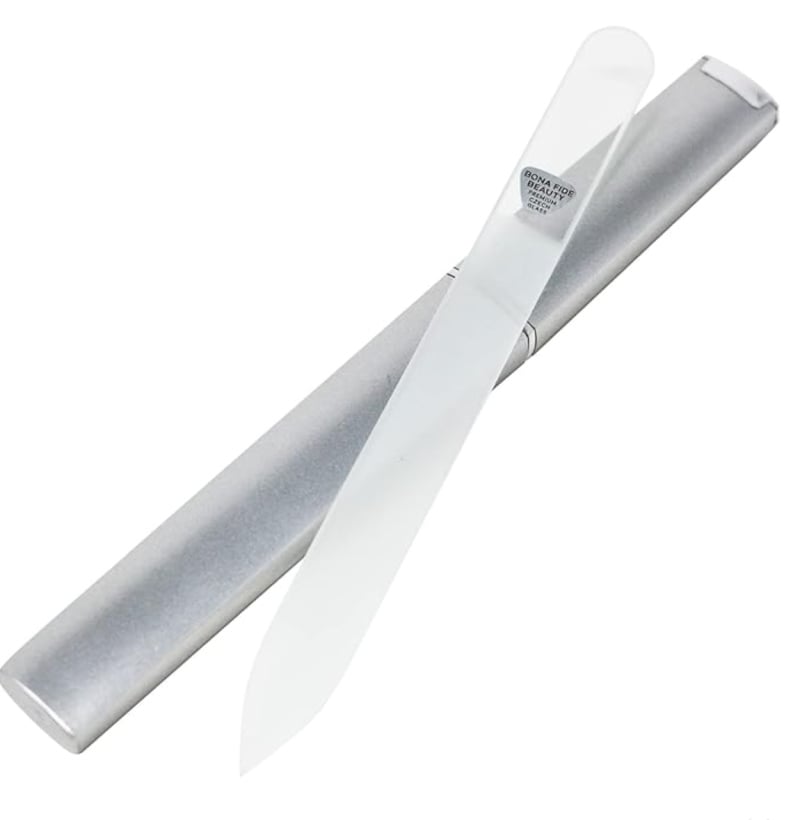
3. Switch to a Glass Nail File
Over-filing is one of the fastest ways to make thin nails worse. Toss out your metal files and coarse emery boards. Instead, use a fine-grit glass or crystal file. Always file in one direction to prevent micro-tears at the nail edge. Buffing should be kept to a minimum, or skipped altogether, while your nails are recovering.
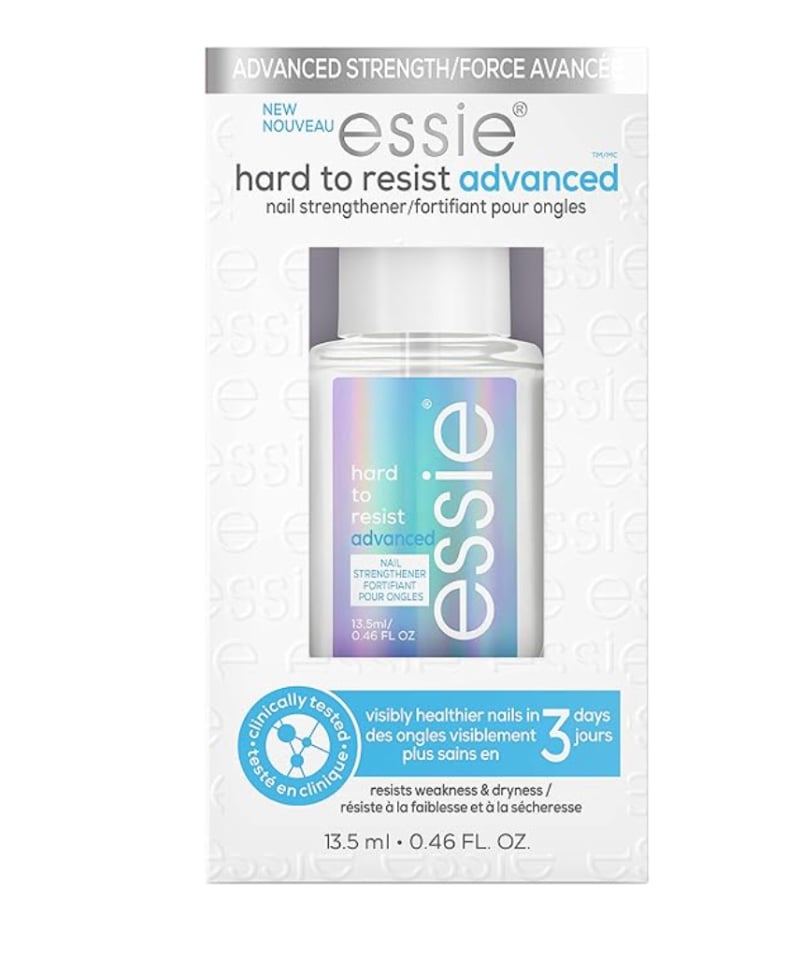
4. Use a Strengthening Polish, Not a Hardener
There’s a big difference between strengthening formulas and old-school hardeners. Traditional hardeners can make your nails too rigid, which leads to snapping and splitting. Look for flexible strengthening polishes that support the nail structure while allowing it to bend slightly without breaking.
Readers tell me that Essie, which has a 4.5 out of 5 score on Amazon, is an excellent choice that makes your nails look better in 3 days. (I must try it!) Reapply every few days and remove gently with a non-acetone remover when possible.
5. Protect Your Nails During Everyday Tasks
Water is actually one of the biggest enemies of weak nails. When nails soak in water, they expand; as they dry, they contract. This constant seesaw weakens the nail bonds. Make sure to wear gloves like this pair whenever you are doing dishes, gardening, or using cleaning products.
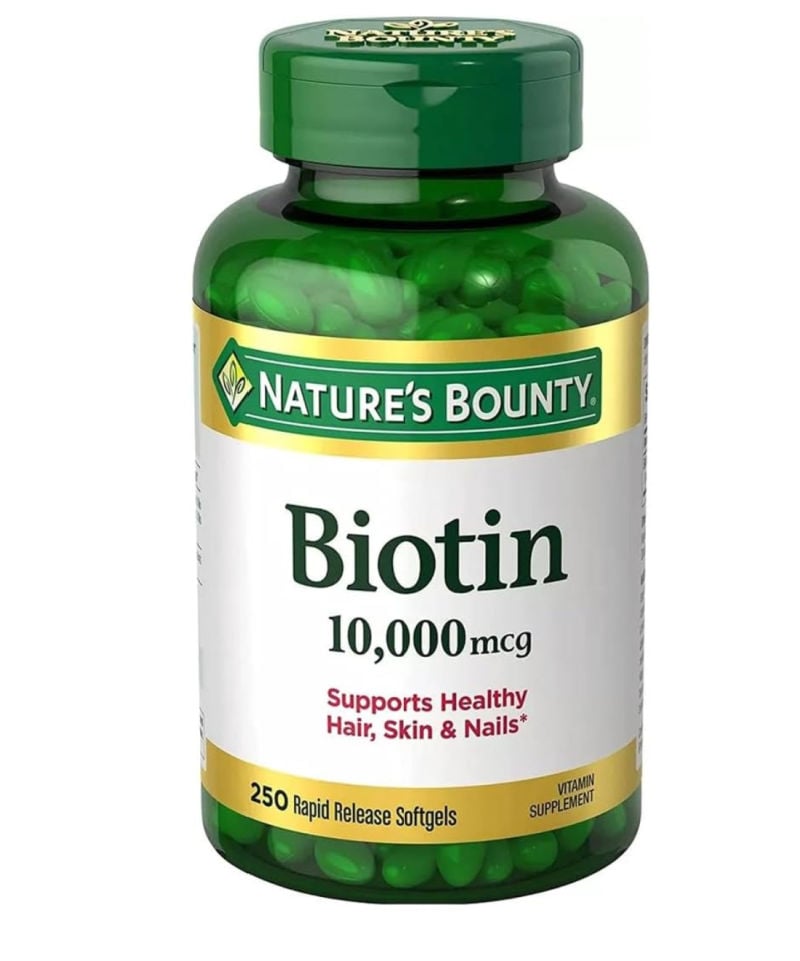
The Biotin I use – one pill a day
6. Support Growth from the Inside
Nails reflect what’s going on inside your body: protein, iron, and biotin, which I take daily, all support nail health. If your nails are extremely thin or splitting despite good care, it may be worth checking in with your doctor before starting supplements.
7. Keep Nails Short While They Heal
Long nails put more leverage and stress on weak nail beds. Keeping them trimmed short reduces splitting. For the most flattering, durable look, opt for a squoval shape, which has square edges with rounded corners. It is modern and much less likely to snag than a sharp square or almond shape.
Once the new growth is stronger, you can gradually let them grow out again.
8. Be Patient With the Process
This is the part no one loves to hear, but it matters. Nails take time to recover, especially after years of enhancements. Most people start to see improvement around the three-month mark, with stronger nails appearing closer to six months.
Stick with consistent care, keep your expectations realistic, and resist the urge to run back to the salon the second a nail breaks or a vacation comes up. Giving your nails time now is what truly changes how they look long term.
While you are showing your nails some love, don’t forget the rest of your skin! Our hands and bodies need extra help during these colder months. If you are struggling with dryness or tight skin, check out my curated list of The Best Body Lotions and Creams for Dry Winter Skin.
Frequently Asked Questions
Why are my nails peeling in layers? This is often a sign of onychoschizia, usually caused by repetitive wetting and drying of the nails or by harsh chemical exposure, such as acetone. Frequent moisturizing with a rich hand cream and cuticle oil is the best fix.
Can I use press-on nails while my nails heal? Yes, but be careful! Modern press-ons with gentle adhesive tabs are a great way to look polished for an event without the damage of salon gels. Avoid heavy-duty glues, which can pull off more layers of your natural nail.
How often should I apply cuticle oil? Ideally, you should apply it 2 to 3 times a day. If that is too much to remember, make it part of your nightly ritual at your bedside. Consistency is the secret to strong, flexible nails.
My nails have turned a bit yellow; is that from the polish? It often is! Darker polishes can stain the nail plate. However, as we get older, nails can also yellow slightly due to certain medications or simply slower growth. If the yellowing is new and persistent, it’s worth a quick mention to your doctor, but usually, a good base coat and a little “naked nail” time will clear it right up.
Does nail polish remover make weak nails worse? Yes, if it contains acetone. Acetone is incredibly effective but very drying. If your nails are in recovery mode, look for an oil-based or “non-acetone” remover. They take a little more effort to work, but they won’t strip the life out of your nails in the process.
The Bottom Line on Weak, Thin Nails
There’s no miracle product or one-and-done salon fix (wouldn’t that be nice?). What actually works is giving your nails a breather, keeping them well-moisturized, being gentler than you think you need to be, and sticking with it long enough for healthy new growth to come in. Do those things consistently, and you’ll be surprised how much stronger your nails can look and feel in just a few weeks.





This was so informative and timely for me! Thank you!
Chemotherapy can be extremely hard on fingernails. . A doctor recommended OPI nail envy. It’s an expensive nail strengthener, but worth every extra penny.. I have been using it for the past 2 1/2 years, alternating between letting my nails go naturally and using the strengthener. It’s definitely a nail saver. I order it from Amazon.