


Color is one of the most overlooked parts of personal style. We talk about trends, cuts, and fit all the time—but color? That’s often what gets missed.
Over the years, people have said to me more times than I can count, “You look good in everything.” And I always smile, because that’s definitely not true.
I don’t look good in everything.
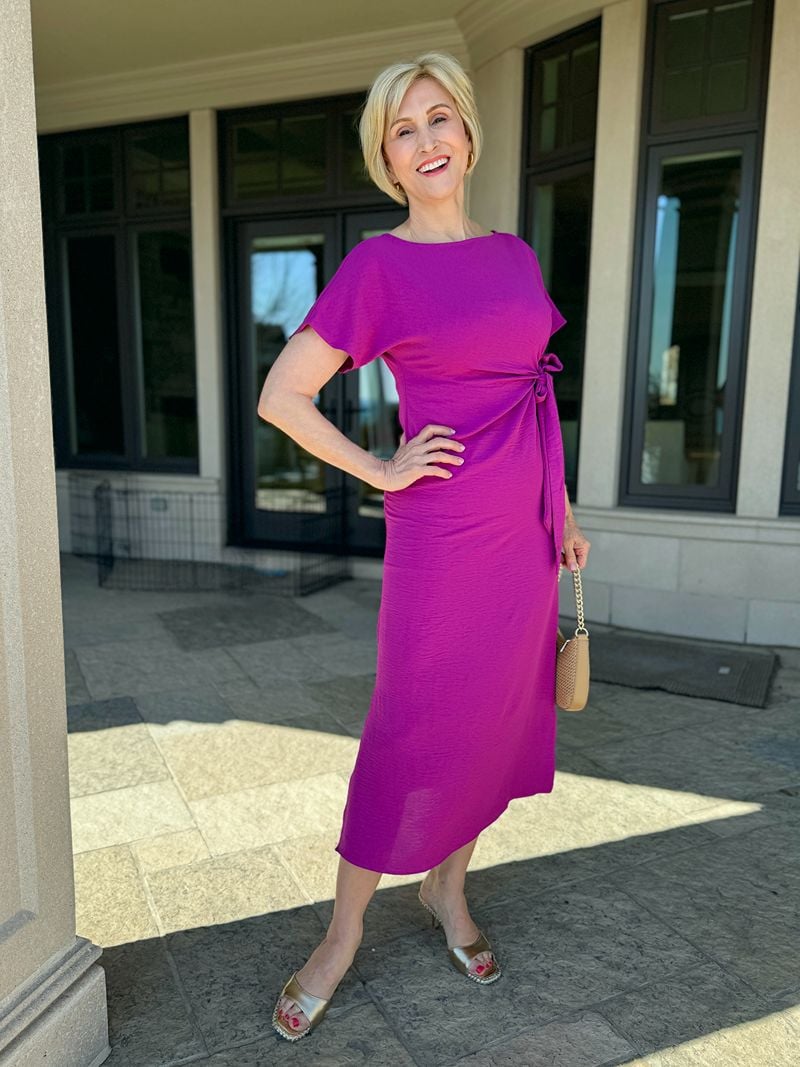
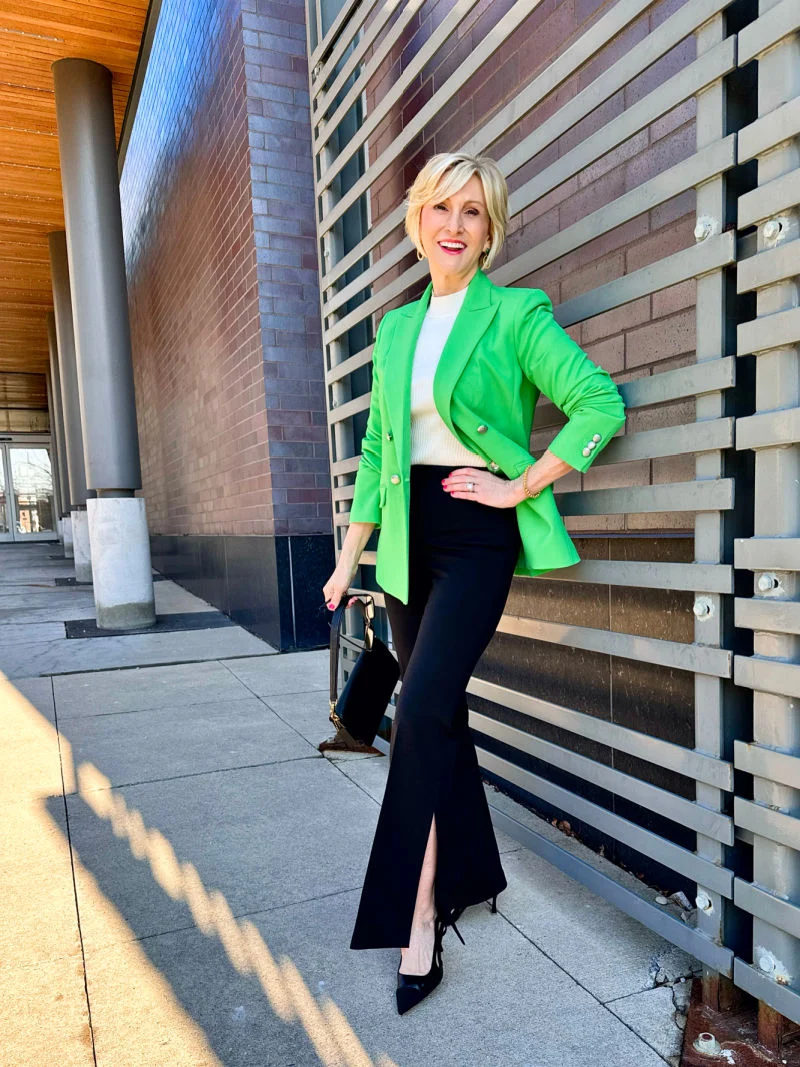
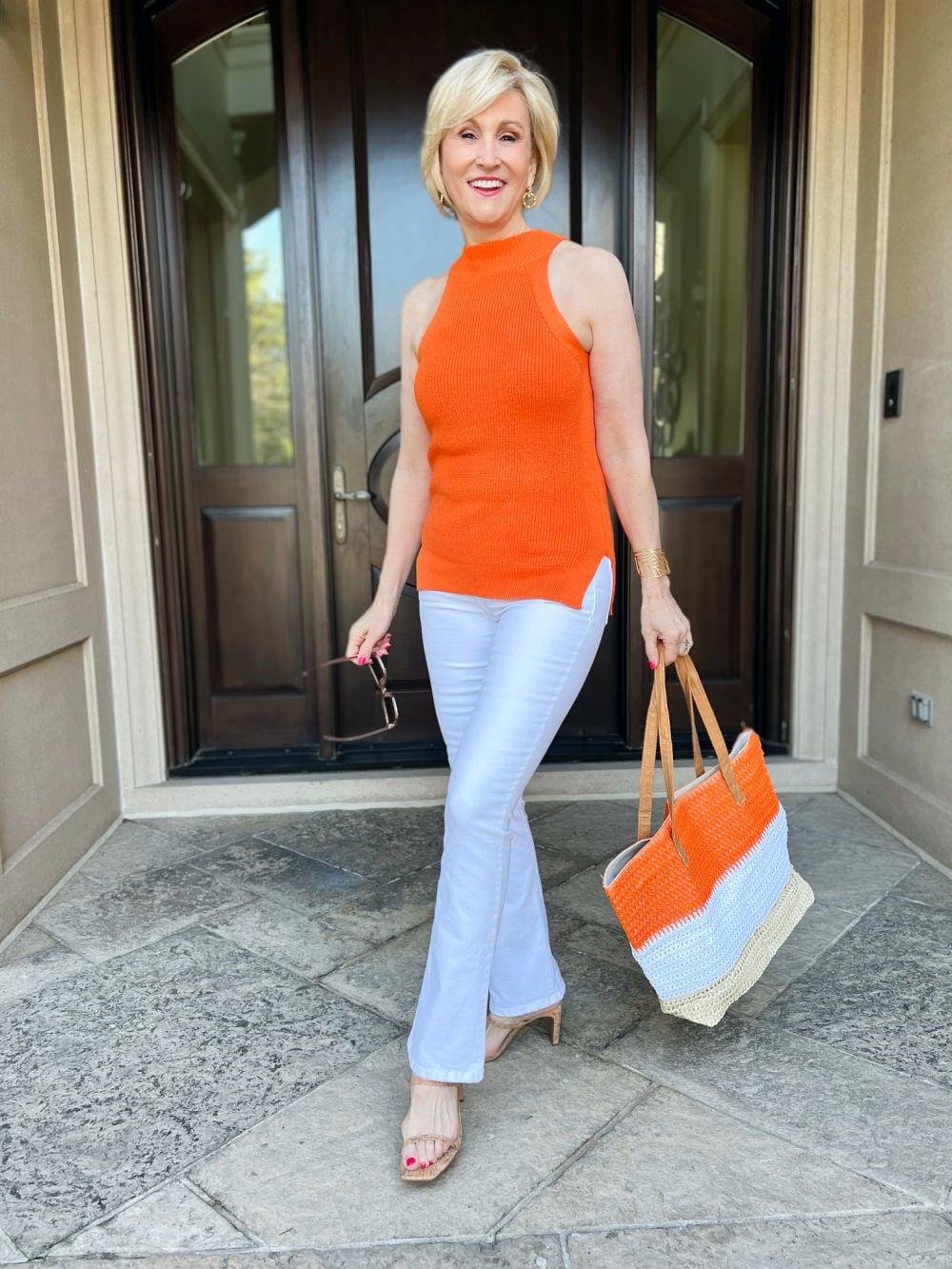
What I do know is which colors work for me—and I stick to them. I wear the shades that brighten my face and warm up my skin—clear, warm spring colors like peach, coral, warm pink, red, yellow, orange, grass green, and orchid are some of my best colors. And I naturally steer clear of cool, muted, and washed-out shades that drain me, like gray, black, olive, eggplant, steel blue, taupe, and pale, dusty pastels.
That’s really the whole secret.
Once you figure out your best colors, getting dressed becomes so much easier. Shopping feels less random. You stop bringing home pieces that almost work. And suddenly your closet starts feeling more cohesive—like everything actually belongs together.
That’s why I love color analysis.
It’s not about rules or being boxed into a palette. It’s simply a way to understand which shades naturally flatter you—your skin tone, hair, and eyes—so you can make better choices every day. And honestly? It’s one of the easiest ways to elevate your style without spending more money or overthinking your outfits.
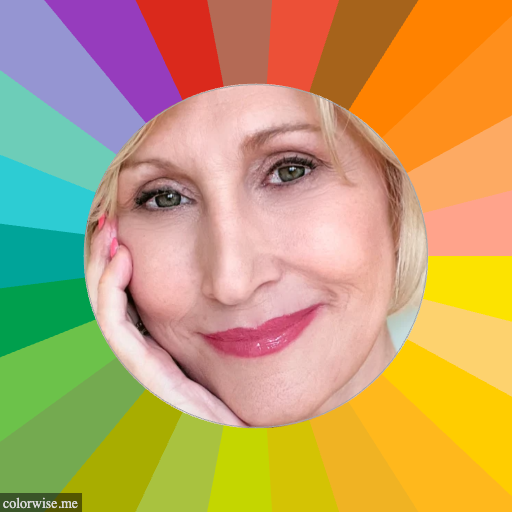
And if you haven’t guessed it, I’m a spring! This isn’t guesswork on my part. I’m an AICI-certified image consultant trained in professional color analysis—but honestly, I’ve always had a natural feel for my best colors, even as a child.
I gravitated toward warm, clear shades long before I ever learned the theory behind it. The training gave me the language (and the science) to explain what I’d instinctively been doing for years.
Why Color Becomes Even More Important as We Age
Your best colors don’t change as you get older.
What changes is your skin. It becomes more delicate, and that makes color show up more strongly on your face.
The right shades can brighten your complexion and help your skin look fresher and smoother. The wrong ones can emphasize shadows, fine lines, and tiredness.
That’s why wearing your best colors makes such a difference. It’s not about hiding age—it’s about choosing colors that help you look your best.
What Exactly Is Color Analysis?
Color analysis is the process of identifying your ideal color palette based on your natural coloring. These palettes are often grouped into seasonal categories—Spring, Summer, Autumn, and Winter—or, more precisely,y into 12 categories that consider brightness, depth, and undertone.
A quick overview of the classic seasonal framework:
- Spring: Warm and light. Think peach, camel, ivory, soft coral, golden yellow.
- Summer: Cool and soft. Best in muted pastels like rose, lavender, soft navy, and dusty blue.
- Autumn: Warm and rich. Olive, rust, mustard, and chocolate brown are standouts.
- Winter: Cool and high-contrast. Think jewel tones—cobalt, emerald, fuchsia—and true black or bright white.
When you wear your best shades, your skin looks smoother, your eyes brighter, and your overall look more intentional—even if you’re wearing a basic tee.
Benefits of Color Analysis
One of the most practical benefits of color analysis is how it streamlines your wardrobe. Once you know your palette, shopping becomes more efficient. You immediately know what to bypass, which colors to gravitate toward, and which pieces are worth investing in.
You’ll likely notice:
- Fewer unworn items lingering in your closet
- More outfit combinations from fewer pieces
- A cohesive, elevated look—even when you’re dressed casually
And if you’re building a capsule wardrobe or looking to simplify, understanding your color palette makes the process seamless. Everything works together.
How to Find Your Best Colors
You can always book a session with a professional color analyst (and I recommend it if you want to go deep), but there are simple tests you can do at home:
- Look at your veins: Do they appear more blue or green in natural light? Blue usually means cool undertones; green suggests warm undertones.
- Try the white vs. cream test: Hold both up to your face. Does one make your skin look brighter or more even?
- Silver or gold jewelry ?Which one flatters your complexion more? Silver tends to favor cool tones; gold favors warm tones.
- Your natural contrast: High contrast between your hair, skin, and eyes often points to a Winter palette. Low contrast might suggest Summer or Autumn.
If you’re finding it hard to decide, you might fall into one of the softer or more neutral categories in the 12-season system, like Soft Autumn or Light Summer.
Color Analysis Myths (And What to Ignore)
Color analysis has been around for decades, and with it comes a few lingering misconceptions. If you’ve ever dismissed the idea because it felt too rigid or outdated, it’s time to reframe how you think about it. Let’s clear up some of the most common myths:
Myth #1: You can’t wear certain colors if they’re not in your palette.
This is probably the most limiting belief—and the one that turns many women off. The truth is, you can wear any color you like. The trick is in how you wear it. If a shade isn’t your best near your face, move it farther away—try it as a skirt, handbag, or shoe instead. Or pair it with a flattering color to balance it out.
Myth #2: Black is universally flattering.
Black is often considered a style staple, but it’s not ideal for everyone. On some, it can look harsh or drain the face of warmth. If you love the look of black but it doesn’t flatter your features, try charcoal, espresso, or deep navy as alternatives. They offer the same polish without the contrast overload.
Myth #3: Color analysis is only for fashion experts.
Not at all. It’s for anyone who wants to stop wasting money on clothes that don’t feel quite right. You don’t need to know every detail about color theory to benefit. Just understanding your general undertone and seasonal palette can make a big difference.
Where to Get a Professional Color Analysis (In-Person or Online)
While you can certainly do a bit of DIY experimenting at home, there’s real value in having your colors professionally analyzed. A trained consultant will not only help you identify your ideal palette but also show you how to use it in your wardrobe, makeup, and accessories.

In-Person Color Analysis
Look for local image consultants or certified color analysts in your area. Many offer private consultations in a studio or at home. In-person sessions are ideal because the analyst can see your coloring in natural light and test a wide variety of drapes right against your skin.
If you’re in a major city, you may even find stylists who specialize exclusively in color.
Online Color Analysis
Thanks to technology, there are now several reputable services that offer virtual color analysis. These often involve uploading photos and answering detailed questions about your features, preferences, and style goals. The best ones provide custom digital palettes and personalized guidance based on your results.
Look for services that:
- Use natural lighting and no makeup for photo submissions
- Offer detailed results with explanations
- Provide seasonal or tonal palettes that you can download or purchase as swatch fans
Some popular options include:
- House of Color (for in-person sessions)
- Created Colorful
- Your Color Guru
- Style by Color
A professional consultation can be a small investment that pays off every time you shop. If you’ve ever felt like you have “nothing to wear” despite a full closet, color analysis may be the missing link.
Ready to dive mintowearing more color? Head over to these posts to get started:
- What Is Dopamine Dressing and How Do You Do It Right?
- 5 Ways to Wear Colorful Stripes Without Looking Like a Circus Clown
- Spring and Summer 2026 Color Trends: From Pastels to Power Shades




Love your blog! I appreciated this information on color analysis especially. I had a virtual analysis done about 10 years ago and just couldn’t get behind it. I’d always gravitated toward jewel tones and still get the most compliments when I wear a bright red dress that I have or navy…strong colors, but the color analysis said I was a summer and should be wearing pastels. It just doesn’t work for who I am. I feel washed out in pinks or lavender. Does color analysis consider personality at all in the process? If so, how? Or is it likely that I never was a summer and should go with what makes me feel amazing? (I do already… :-)
Hi Jennifer, Personality doesn’t determine your color season—that’s based on your natural coloring—but it absolutely should influence how you use your palette. And being a Summer doesn’t necessarily mean wearing pale pink and lavender. Summers can also look beautiful in stronger shades such as navy, raspberry, berry, teal and softer blue-based reds.
That said, virtual color analysis can be tricky, since lighting and screen color can affect the result. If you consistently feel washed out in traditional Summer pastels but come alive in clear, strong colors—and others notice it too—you may have been mistyped, perhaps as a Winter or a deeper Summer.(both cool)
Color analysis should help you feel more like yourself, not box you in. I’d keep wearing the colors that make you feel amazing. Your mirror, your confidence and all those compliments are giving you some valuable information! Cheers, Deb
I had my color analysis done in 1983…I think intuitively I knew what I was but it was certainly confirmed with the analysis. I am a spring and I have always followed the thought process that if it blooms or is seem in the spring it is my color. It makes shopping so easy because I don’t even look at things not in my palette. Fall is always a difficult time of year for me to shop because of all the olive, khaki and rust which are NOT in my palette, but it makes spotting my colors a whole lot easier!!!😊
It is worth having done and when I do shop, things naturally go together even if bought at different times and stores. Goes for accessories as well!
Hi Susan, I totally agree with you. Knowing you colors and wearing them is a gamechanger. Shopping is so much easier and you always look your best. I’m a spring too which means I’m warm and clear. Fall is warm and muted. There are colors that still work on me itn the fall pallette like pumpkin and warm purples, warm brown for sure and gold! I just stay away from cool black, gray, cool muted pinks and cool taupes as those drag me down and make me look tired and old. They make me feel dull too. Amazing how the right colors can not only make you look energetic and youthful, but make you feel that way too. Thanks for stopping by! Cheers, Deb
I find color analysis so confusing. I had my colors done in the eighties with the traditional 4-season Color Me Beautiful system, where I was told I was a Spring. Since then, I have been done in the 4-season system twice and told I was a Summer, and in the 12-season system 3 times, once as a Light Spring (International Image Institute) and twice as a soft Summer (12 Blueprints and Color Me Beautiful). The soft summer analyses never seemed to really fit. Some of the light spring was too bright,, although in my opinion better. I have more recently tried loading a photo into the chat bot for help. I honestly think that was the best, as it was not strictly tied to traditional color-analysis boxes.
Hi Debra, I would go with the International Image Institute if your reading was done by Karen Brunger. I was trained by her, and she is one of the top (if not the top) color consultants in the world. Having said that, it is important to wear the colors you like and that make you feel confident. Confidence shows more than anything. Looking forward to writing more on this topic. Cheers, Deb
A wonderful article, thank you!!!! AND a brilliant comment from Carolyn (petite) :). to all of you ladies thank you!!!!!!
I had my colors analyzed many years ago. I am a summer and I am confident that has not changed in my early 70s. Learning my best colors for both clothing and makeup was liberating! I already knew pink and blue were good for me, but I learned that I could wear colors I had been avoiding…if I chose the right undertone! Red with a blue undertone not a yellow undertone, for example. This investment pays off in a wardrobe that works, not to mention feeling good about how you look!
Hi Polly, You’ve explained the value of color analysis beautifully! It’s not about limiting the colors you can wear, but finding the right version of each color—like your blue-based red. And you’re so right: when the colors in your wardrobe work together and flatter you, getting dressed becomes much easier. I love that you found the experience so liberating! I think there’s huge value in knowing your colors, and it’s a key component in the way I dress. Thanks for your comment. Cheers, Deb
Do you know of someone in the Atlanta, Ga area for color analysis? I have been told 2 different seasons.
Thank you,
Deb
Hi Deb, I can understand why you’d want another opinion after being told two different seasons! You might try Lori Hardegree of True Style Atelier in Kennesaw, in the Atlanta area. She is trained through the International Image Institute and uses its more detailed 23-palette color analysis system. I don’t know her personally, but her training is from the same institute where I trained. I hope that helps!https://truestyleatelier.net/
Hi Deb! I had a color analysis 40 years ago. Do your colors change as you age? Is it worth having them analyzed again? I enjoy your blog and suggestions!
Hi Michelle! Thank you so much—I’m so glad you’re enjoying the blog! Yes your colors can change a bit over time. For example, If you were analysed as a Spring, you’re still a Spring.
Your undertone (warm or cool) doesn’t generally change with age. What does change is your coloring:
Your hair may turn gray, silver, or white.
Your skin may become lighter or softer.
The contrast between your hair, skin, and eyes often decreases.
Because of that, the best shades within your Spring palette may shift. Many Springs find that softer, lighter, or clearer Spring colors become more flattering than the brightest warm shades they wore when they were younger. Some women also discover that the intensity of their makeup and clothing needs to be adjusted.
There are a few exceptions. If your original color analysis wasn’t very accurate (and many analyses from 30–40 years ago used older systems), or if you’ve changed your hair color dramatically for years, it can be worthwhile to be re-evaluated. I hope that helps.
Can your color palette change? I was a Winter but now Fall colors seem to look better as I’ve lighter brown hair now.
Hi Beth, That’s a great question! Your undertone usually doesn’t change, so if you were accurately analyzed as a Winter, you’re likely still a Winter. However, if your hair has lightened, your overall coloring and contrast may have softened, which can make some colors feel more flattering than they did years ago. It’s also possible your original analysis wasn’t quite right—color analysis has evolved a lot over the years. If you consistently find that warm Fall shades make you look healthier and more vibrant, it may be worth having your colors analyzed again. The goal is to wear the colors that make you look your best today. I hope that helps. Thanks for stopping by. Cheers!
This is a fantastic post, and in my opinion, one of the most important elements of style. Like you, in my youth, I gravitated toward certain colors – in my case, autumn colors, especially chocolate brown – without knowing why. Fast forward many years later, professional analysis revealed I am an Autumn, specifically a Deep Autumn. I have curated my closet to only contain the colors that look best on me, and what a difference it has made. All my clothes coordinate with each other and I always feel radiant. It’s a time and money saver and also frees me from feeling any need to chase what colors are popular in any given season. Thank you for encouraging other women to consider doing the same. :)